

New monoclonal antibody safe, effective for rare liver disease
New monoclonal antibody safe, effective for rare liver disease
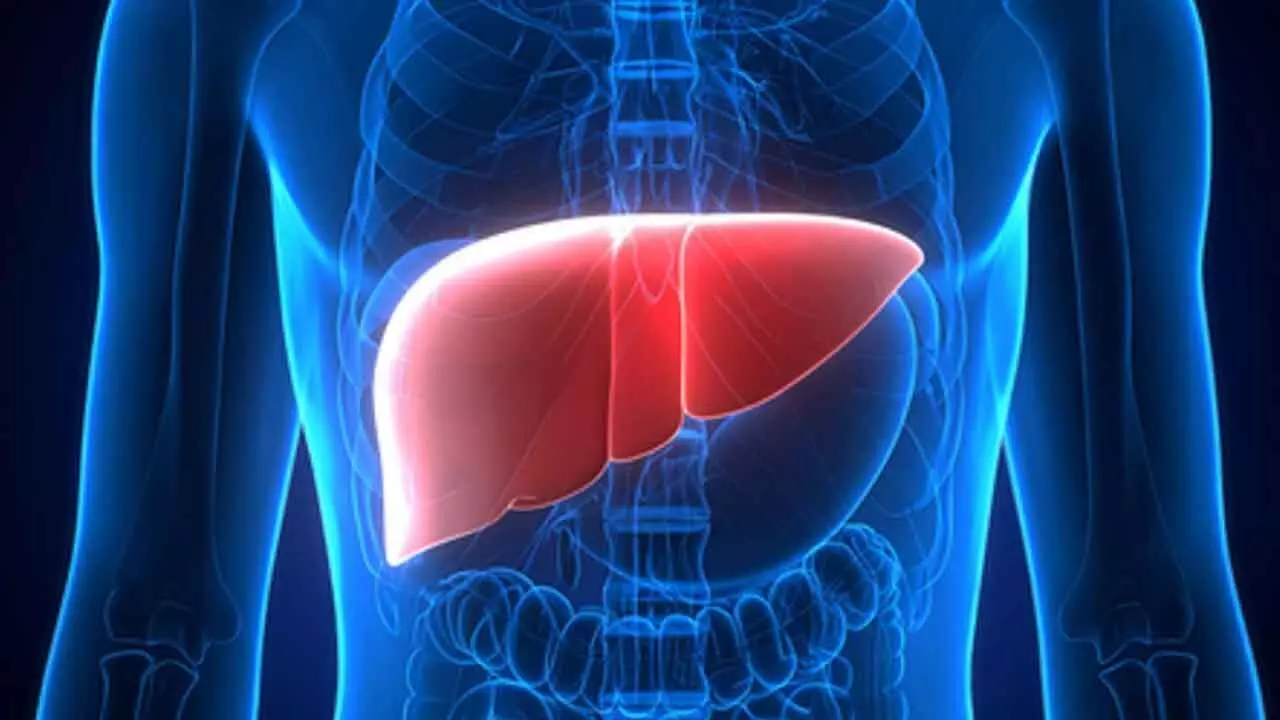
A new monoclonal antibody treatment has shown promising results for a rare liver disease called primary sclerosing cholangitis (PSC).
The team from the University of California-Davis, US, tested an anti-inflammatory and anti-fibrotic monoclonal antibody known as nebokitug and found it to be safe and potentially effective in patients with PSC.
Published in the American Journal of Gastroenterology, the results offer encouraging news for patients with PSC, for which there are currently no effective treatments short of liver transplantation.
"In the trial, nebokitug demonstrated that it has the potential to change the lives of patients with PSC by reducing fibrosis and inflammation, which should lead to improved outcomes," said Christopher Bowlus, chief of Gastroenterology and Hepatology at UC Davis Health. "These results are good news for patients with PSC, who are in desperate need of an effective, FDA-approved therapy."
PSC is a rare, chronic liver disease that causes inflammation and scarring of the bile ducts. These ducts carry bile from the liver to the small intestine to help digest fats. When they become damaged and narrow, bile builds up in the liver, leading to liver injury over time.
The exact cause of PSC is not fully understood, but most patients also have inflammatory bowel disease, suggesting a direct link between intestinal inflammation and the liver.





